
How to Future-Proof Your Podcast in 6 Steps
Spotify changes its algorithm, and Apple Podcasts updates discovery. YouTube is starting to favor a new video length. And somewhere, a podcaster who built their entire strategy around one platform is panicking.
You don’t control the platforms. They control access to your audience, and when they change the rules, which they do constantly, you either adapt or disappear.
You cannot predict what Apple or Spotify will do next. Nobody can. What you can do is build a show that survives whatever they decide.
Why Most Podcasters Are One Algorithm Change Away From Trouble
Podcasters are building on rented land. Your audience lives on someone else’s platform, and you’re trusting that the platform owners won’t change the lease terms. Then they do.
An Apple algorithm update tanks your download numbers. A change to Spotify’s recommendations stalls your new-listener growth. A YouTube preference shift for longer content buries your clips.
None of it is personal. Platforms build for their business goals, and when those goals change (and they always do), the podcasters who built everything around a single platform feature get stranded.
The ones who survive have something else going on beneath the surface: an audience they can reach directly, distribution they don’t rely on, and content that holds up regardless of what’s trending.
That is a future-proof podcast strategy. Six steps to get there.
Step 1: Build an Email List You Control
Want to know what you don’t control? Your followers on Apple Podcasts and Spotify. Your YouTube audience. If any of those platforms disappeared tomorrow, you’d have no way to reach the people who listen to your show.
What do you control? Your email list.
Every podcaster I work with who has a business behind their show treats email as more important than downloads. Because email is the only audience you actually control. Platforms can’t take it away, algorithms can’t hide it, and it belongs to you.
If someone listens to your podcast but never joins your email list, you have no relationship with them. The platform does. Your work is to convert platform listeners into direct relationships you control.
How to do it:
Add a clear call to action in every episode that points listeners to your email list. Not in a rushed outro. Say it in the content, tell them what they’ll get, and give them the link.
Create lead magnets podcast listeners really want. Episode transcripts, bonus content, or templates you mentioned in the show. A deeper dive on the topic you covered. Something specific to what they heard, not a generic freebie.
Use your podcast website to collect emails. Most podcast hosts offer landing pages or website builders where you can add an opt-in form. Your show notes should include a clear link to sign up.
The test: if your podcast disappeared from every platform tomorrow, could you still reach your audience? If the answer is no, you haven’t built the connection yet.
Step 2: Distribute Everywhere
Platform-dependent podcasters put all their episodes in one place and hope it keeps working. If you want a future-proof podcast, you spread your show across every platform where people listen.
Apple Podcasts. Spotify. YouTube. Amazon Music. Independent podcast apps. Your own website. Not because you need to be everywhere for the sake of it, but being on one platform means one algorithm change can take your growth with it.
When you’re distributed across eight platforms, and Apple changes something, it’s annoying. When you’re only on Apple, and they change something, it is a business problem.
Diversification is insurance.
The rule: distribute widely, but don’t build your strategy around any one platform’s features. Build for your audience, then send that content everywhere. That way no single algorithm decides your fate.
If you’re not already on all the major platforms, submit your RSS feed this week. Most podcast hosts (Buzzsprout, Libsyn, Captivate) automatically push your feed to multiple directories.
Step 3: Build Direct Relationships
Platforms want listeners who are dependent on their app. You want listeners who would follow you anywhere.
That difference comes down to how deep the relationship goes. Listeners with a connection to you know how to find you outside the app. They visit your website and open your emails. They know your name, not the show title. They engage with your content across multiple channels.
A lot of podcasters treat the audience like a faceless download count. The ones who treat listeners like real people they’re building a relationship with are the ones who survive when platforms change.
Reply to email and engage in your own comments. Build community spaces you control, whether that’s email, Discord, a private group, or anything that isn’t rented space on someone else’s platform. Let people know there is a real person behind the show who reads what they send in.
When platforms change, the people who feel connected to you will find you wherever you go. The people who hit play on whatever the algorithm served them will not.
Step 4: Make Your Podxast Searchable
Many podcasters miss that Google is a distribution channel. A significant one at that. And unlike platform algorithms that constantly shift, Google’s basics have remained stable for years.
Podcast SEO makes your show findable independent of what any platform is doing. When someone searches for your topic, your podcast can show up in results whether or not Apple or Spotify is promoting you that week.
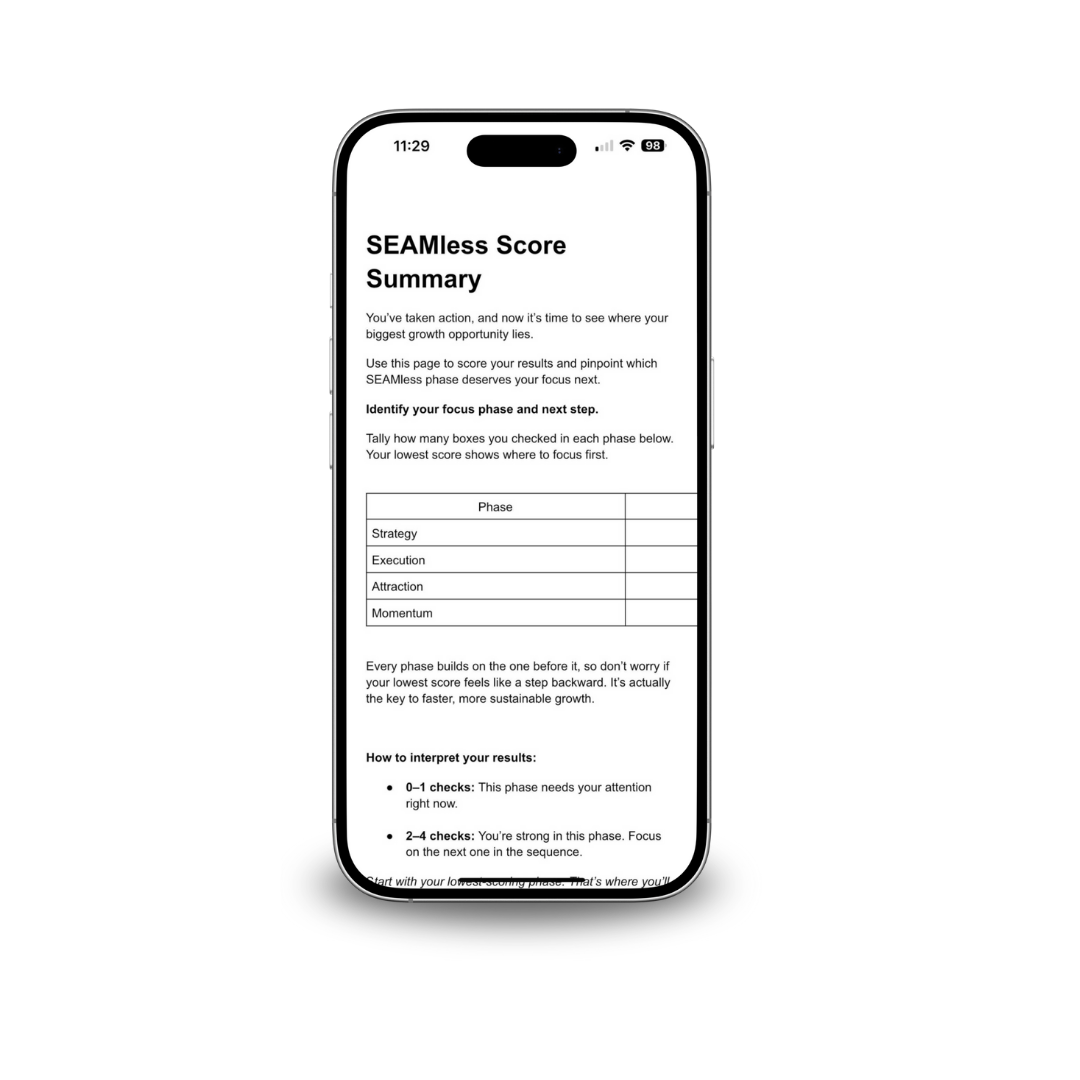
Your show title, description, episode titles, and show notes all need to use the actual words your ideal listener types into a search bar. Not clever titles that hide what your show is about. Search language, the phrases people use when they’re looking for what you talk about. This is the Optimized Attraction pillar of my SEAMless Podcast Framework™, where most shows leave the biggest gap.
Build a website for your podcast. Publish show notes as blog content, not a one-line summary of the episode. Google can’t index your audio, but it can index everything around it, and that indexing is what makes your show findable outside the podcast apps.
Search-driven listeners tend to be higher quality than algorithm-driven listeners. They came looking for your topic on purpose. They’re closer to becoming a client than someone who let autoplay run.
Step 5: Create Evergreen Content
Platform algorithms favor what’s new. What’s trending. What’s getting shared this week. And trends move on. Content that performed six months ago is invisible now.
Evergreen content doesn’t expire. It stays relevant regardless of what’s trending, which means when someone finds it two years from now, it still works. Build a sustainable content calendar of evergreen episodes, and you have an asset that generates value long after publication.
Ask yourself before you record: will this episode matter in six months? A year? If the answer is only right now, you’re building on platform time. If the answer is whenever someone finds it, you’re building an asset.
This does not mean you never cover timely topics. It means the majority of your library should hold up whenever someone discovers it.
An episode on how to batch-record your podcast will be useful for years. An episode about the new Spotify feature everyone’s talking about has a shelf life of about three weeks.
Step 6: Build Traffic Sources You Control
A future-proof podcast doesn’t wait for platforms to bring listeners. It has ways to bring listeners in from channels that are yours.
Your website. Your email list. Your SEO presence. Guest appearances on other shows. Collaborations with other creators. Speaking engagements. Partnerships. Anything you can use to drive people directly to your podcast without relying on a platform to surface it.
A lot of podcasters wait to be discovered. Future-proof podcasters send people to the show through channels they control, and platform discovery becomes a bonus on top of that instead of the entire growth plan.
This is where having a strategy matters. You are not making content and hoping platforms notice. You’re building multiple paths for the right listeners to find you.
The goal: you should be able to grow your podcast even if every algorithm went dark tomorrow.
Platform Changes Are Not the Enemy
You can’t ignore what platforms do. When YouTube prioritizes video, it matters. When Spotify starts favoring shorter episodes, that’s worth knowing. When Apple changes discovery algorithms, pay attention.
But platform changes should shape your tactics, not your strategy. The core of what you’re building stays consistent, and the edges adapt.
Stay informed. Join podcast communities. Follow industry news. When something changes, ask one question: does it affect what my podcast is fundamentally doing, or how I package it? If it’s tactical, adjust. If it’s core, do nothing and keep going.
Future-Proof Your Podcast This Month
What to do in the next thirty days.
Add an email opt-in for your podcast listeners and put a clear CTA in your next three episodes. Make sure your show is on every major platform. If it isn’t, submit your RSS feed this week. Review your last ten episodes and count how many are evergreen versus timely. Aim for 70% or more evergreen going forward. Rewrite one set of show notes so they read like search content and not a summary of what the episode covered. Pick one traffic source you can control and start building it, whether that’s SEO, guest appearances, partnerships, or something else that plays to your strengths.
That’s how you future-proof your podcast. You build a show that doesn’t need platform cooperation to work.
Algorithms will keep shifting. Platforms will keep changing the rules. Podcasters with direct audience relationships, distributed shows, and evergreen content will keep growing anyway.
Ready to Build a Podcast That Lasts?
I help podcasters build strategies that don’t depend on algorithm luck. If your show has been running for a while and you’re ready to make it something platforms can’t take from you, Positioned & Found is where that work happens. It’s a 10-week program that fixes the strategic positioning and search visibility gaps keeping your podcast invisible to the people who would actually hire you.
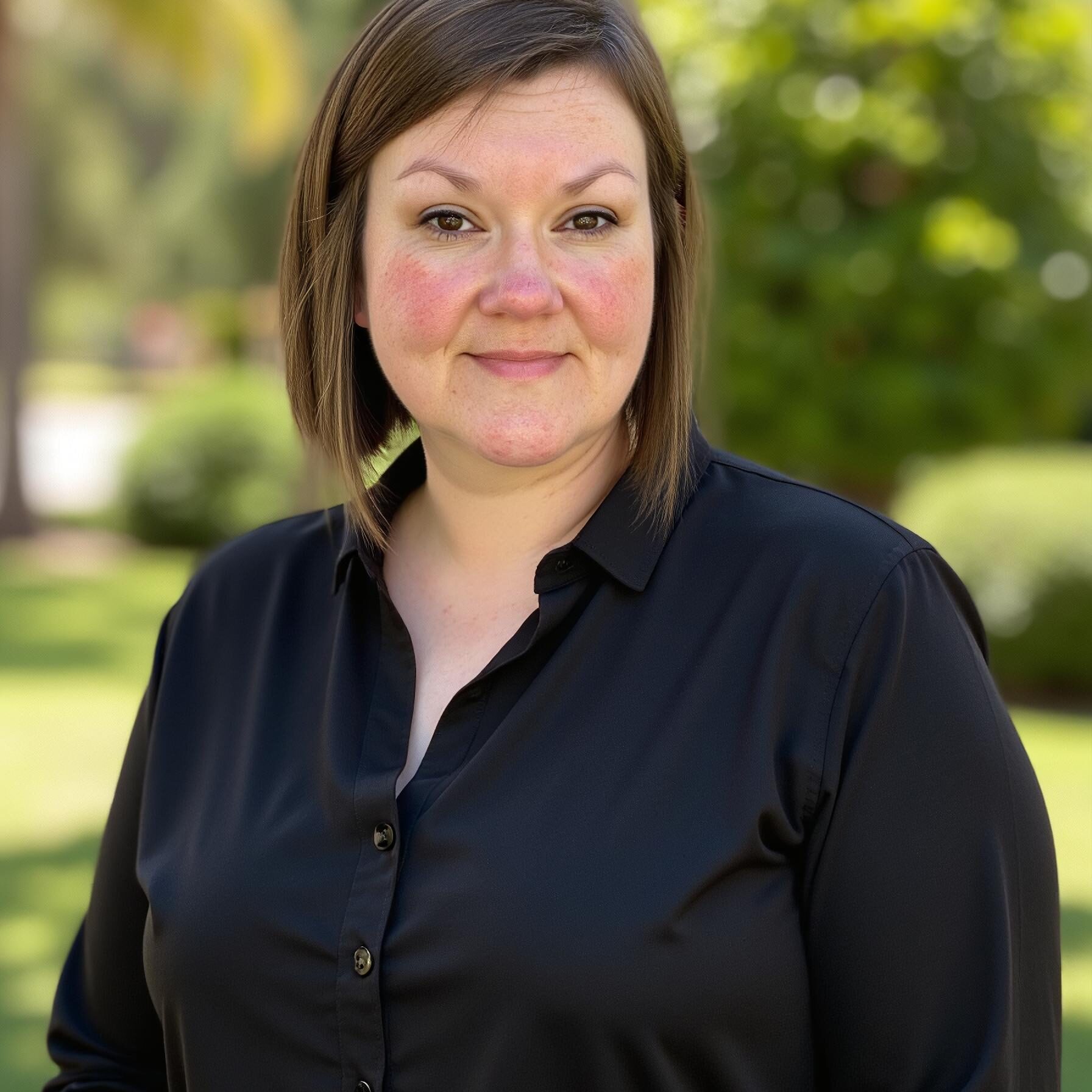
Meet Leah
I help entrepreneurs build podcasts that grow their business with strategy, support, and less overwhelm.
I'm looking for...