
Types of Podcast Coaching: 1:1, Group, and Launch Explained
The types of podcast coaching on the market solve very different problems. One format is built to get a show off the ground. Another is built for shows that already exist but are not producing what the business needs. Buying the wrong format is one of the fastest ways to waste money on your podcast, and it usually happens because people shop by price before they name the actual problem.
In my work with podcasters, the same mismatch shows up over and over. Someone bought coaching for a problem they did not really have, and now they are six months in with nothing to show for it. This post walks through what each format is designed to solve and how to determine which one fits your situation.
The Three Main Types of Podcast Coaching
The format you choose should match your problem before it matches your budget. Price is a filter that comes at the end, not the entry point.
1:1 Podcast Coaching
1:1 podcast coaching is the most direct format. You work with one coach who builds the strategy around your specific show and the business it is meant to support. Everything gets calibrated to your situation.
This format fits when your problem is specific and does not have a common answer. You might be monetizing for the first time, or pivoting your niche. Or the show has been running fine on the surface for a year, still isn’t producing business results, and you can’t figure out where the disconnect lies. When the answer is not in a course or on a checklist, group support can’t get you there.
When I work 1:1 with podcasters, we dig into content strategy and how the show connects to their specific business. I ask about the offers. I ask what the podcast needs to produce to earn its keep. Then we build the strategy.
The test for whether 1:1 is worth the investment is specificity. If the advice you would get from any other coach could apply to any other podcast, you are not getting the level of personalization you are paying for.
My Seamless Sprint is a 90-day 1:1 engagement built to align your podcast with your business goals. We look at what is blocking results and rebuild the positioning and content strategy around what the show is supposed to produce for the business.
1:1 is the highest investment of the three formats. For podcasters who need accountability tailored to their exact situation and can’t afford another six months of guessing.
Group Podcast Coaching
Group coaching puts you in a virtual room with other podcasters at a similar stage. You learn from the coach, and from the other people in the room. That peer element gets underestimated during the shopping process, and it is often where the most useful stuff happens. Hearing someone else describe a problem you also have, and how the coach responds in real time, teaches you things you don’t get in a 1:1 setting.
This format suits podcasters who want structured guidance at a price point below that of 1:1 access. The strategy work and feedback are real. The trade is complete personalization, because the room is calibrated for a range of situations rather than yours alone.
If your situation is unusual, or your business model doesn’t look like the others in the room, group coaching can leave gaps. For podcasters in a growth phase who want community alongside strategy, it delivers real value at a fraction of 1:1 pricing.
I build in Q&A time for this reason in every group session. That is where personalized feedback lives inside a group structure, and it is often where the biggest shifts happen.
Positioned & Found: The Strategic Podcast Growth Program is my 10-week group program for podcasters who need to fix strategic positioning and search visibility. We work through what is keeping the show invisible in search and rebuild the discoverability layer so the right people can find it. Enrollment for the founding cohort opens soon.
Launch Coaching
Launch coaching is built for one job: getting your podcast published with a strong foundation. Most launch support covers naming, artwork, episode structure, hosting setup, and the launch plan itself. Some programs are done-with-you. Others are more self-guided with coach support layered in.
This is the right fit if you have not published yet and want to avoid the setup mistakes that cost people months to unwind later. Getting clear on positioning and audience before you hit publish makes every downstream decision easier.
Skip launch coaching if your show is already live. Launch coaching solves a pre-launch problem, and once you are publishing episodes, the questions become bigger ones about growth, positioning, and whether the podcast is doing anything for your business at all. That is what the 1:1 and group sections above address.
Is your launch foundation solid? My Podcast Launch Strategy Review gives you a clear picture of what’s working, what’s missing, and exactly where to focus before you hit publish.
How to Choose Between the Types of Podcast Coaching
Start with your current stage. If you haven’t launched yet, focus on launch coaching. If you are already publishing episodes and the show isn’t producing what you thought it would, the answer is strategy support, which means either 1:1 or group.
Then think about how you work best. Some podcasters do their sharpest thinking with direct access to one coach and a plan built around their show. Others move faster in a room with peers who are working on adjacent problems. Neither approach is better than the other; they serve different situations.
Budget is the last filter. 1:1 delivers faster results because the attention is undivided, and it costs more. Group programs stretch your dollar further and add the peer element as a real part of the value.
When you are stuck between options, name the specific problem first. Then match the format to the problem. Shopping format-first is what leaves people six months in with the wrong support.
If you are not sure which format is best for your situation, book a call. We can look at where the show is now and figure out which format actually fits what you are trying to solve.
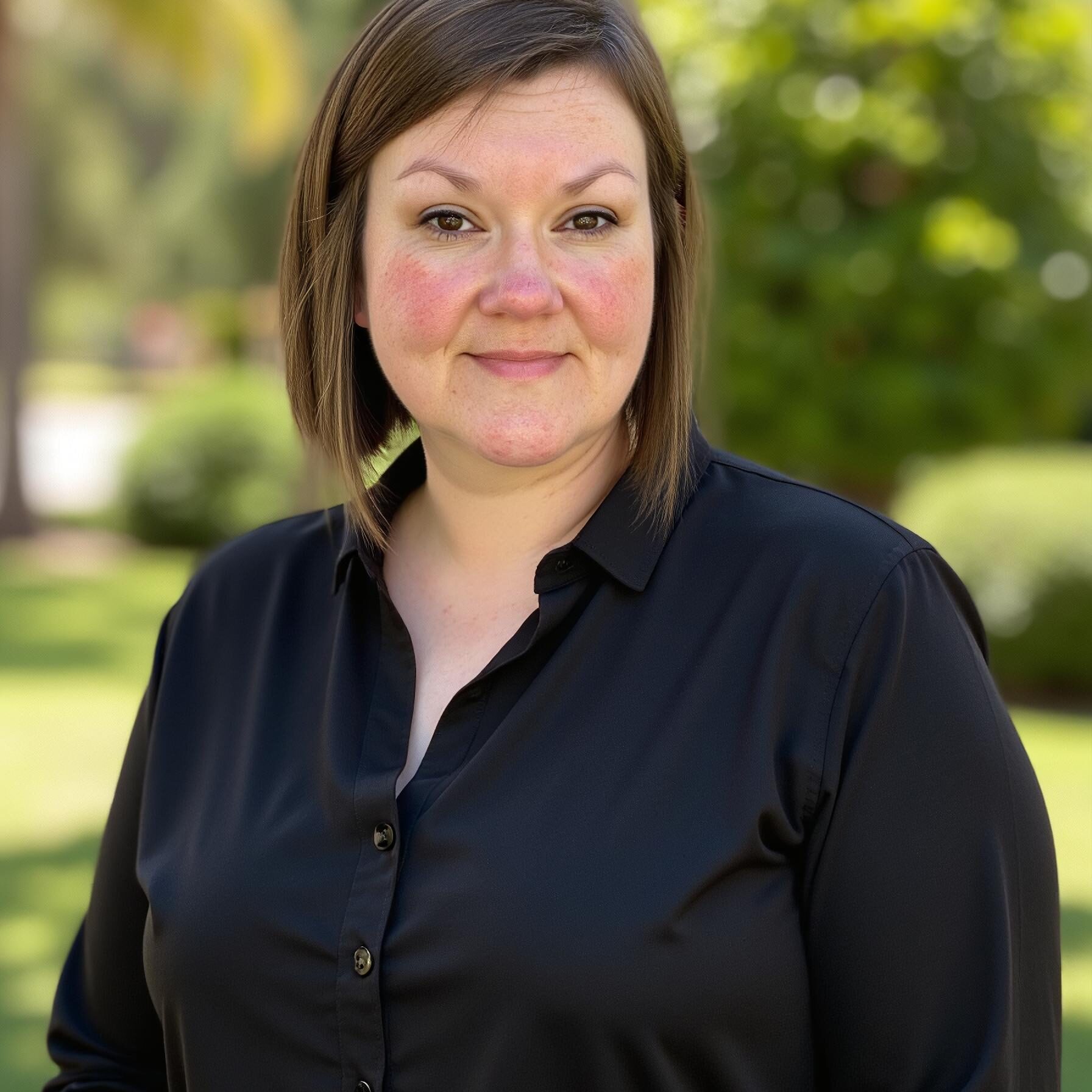
Meet Leah
I help entrepreneurs build podcasts that grow their business with strategy, support, and less overwhelm.
I'm looking for...